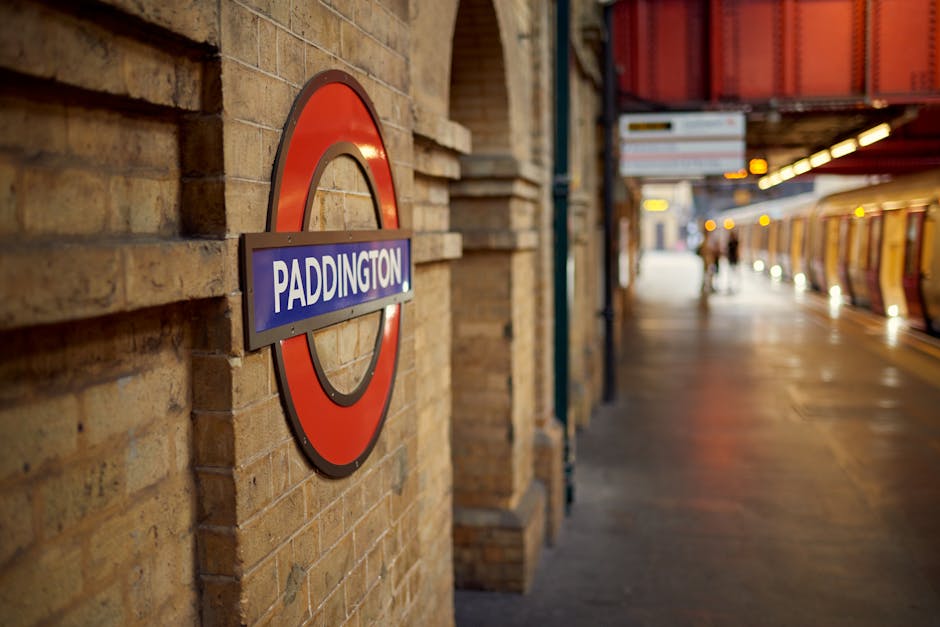
Paddington Station Area Emergency Cleaning Same Day Bayswater: Fast Local Help When You Need It Most
When a spill, stain, odour, or unexpected mess happens near Paddington Station, time suddenly matters. Maybe a tenant has just moved out and left a problem behind. Maybe an office floor needs urgent attention before opening. Or perhaps a guest checkout has gone sideways and you need Paddington Station area emergency cleaning same day Bayswater without the usual back-and-forth. Whatever the situation, same-day cleaning is about restoring order quickly, safely, and with as little disruption as possible.
In a busy part of West London, that speed is not a luxury. It is often the difference between a small setback and a much bigger headache. This guide explains how emergency cleaning works, what to expect, who it helps, and how to choose the right service when the pressure is on. You will also find a practical checklist, a comparison table, and a few no-nonsense tips that save time when you are already short on it. Let's get into it.
Why Paddington Station Area Emergency Cleaning Same Day Bayswater Matters
Paddington is not a quiet corner of London where a mess can sit unnoticed for a day or two. It is a high-movement area, with commuters, visitors, landlords, short-let guests, office staff, and residents all crossing paths. That means a cleaning issue can become visible very quickly. And once people notice it, they also notice the delay.
Same-day emergency cleaning matters because the problem is rarely just cosmetic. A wet carpet can spread into underlay. A food spill can turn into a smell issue. A bathroom incident can become a hygiene concern. A broken bottle in a hallway can become a safety hazard. In a shared building, even a small incident can affect neighbours, guests, or a managing agent's confidence in how the property is run.
There is also a reputational angle. If you run an Airbnb, office, or rental property in Bayswater or near Paddington Station, a poor first impression can linger far longer than the dirt itself. Truth be told, people often forgive a problem quicker than they forgive poor handling of the problem.
One practical point that gets overlooked: urgent cleaning is not always about "deep" cleaning in the classic sense. Sometimes it is about fast containment, targeted stain removal, deodorising, sanitising key touchpoints, or making the space safe enough to use again. That is what makes a responsive local team valuable.
Expert summary: Emergency cleaning is most effective when it is fast, specific, and matched to the type of incident. The best result is not always the most aggressive clean; it is the right clean at the right time.
How Paddington Station Area Emergency Cleaning Same Day Bayswater Works
Same-day cleaning usually starts with a short but detailed call or message. The aim is to understand what happened, how long ago it happened, what surfaces are affected, and whether there are any access or safety issues. That first conversation matters more than people realise. A coffee spill on a sealed hard floor is a very different job from a pet accident on a soft carpet or a burst pipe in a hallway.
Once the issue is understood, the cleaning team will normally prioritise the right equipment and method. If there is liquid, extraction or absorbent treatment may come first. If there is odour, the focus may shift to deodorisation and sanitising. If the problem involves a property after a tenant departure or guest checkout, the clean may be combined with end of tenancy cleaning, Airbnb cleaning, or one-off cleaning depending on the situation.
For fabric-heavy or floor-based problems, specialised services may be relevant. For example, a lounge carpet may need steam carpet cleaning, while a sofa, chair, or fabric headboard may benefit from upholstery cleaning. If the issue is a stubborn mark rather than general dirt, stain removal is often the right route. And if a pet has made a mess, pet stain odour removal can be the difference between masking a smell and actually dealing with it.
The job then moves to on-site assessment. A good cleaner will test cautiously, protect surrounding surfaces, and avoid making assumptions. That sounds obvious, but in emergency work it is easy to rush. You do not want someone treating a delicate fabric with the same approach as a hallway tile floor. Common sense, really, but worth saying.
When the clean is done well, you should be left with a space that is safe, presentable, and much less stressful to deal with. Sometimes the result is immediate. Sometimes it is a staged recovery, especially where drying time or repeat treatment is needed. Either way, a proper same-day response is about control.
Key Benefits and Practical Advantages
The obvious benefit is speed, but there is more to it than that. Emergency cleaning near Paddington Station is useful because it reduces knock-on problems. A fast response can help limit staining, lower the risk of lingering odours, and stop a minor mess from turning into a full-property disruption.
Here are the main practical advantages:
- Less downtime: Rooms, hallways, or work areas can often return to use sooner.
- Better presentation: Useful for guest changeovers, viewings, inspections, and daily operations.
- Reduced stress: You are not left improvising with paper towels and hope.
- Targeted treatment: The correct method is used for the specific problem.
- Lower risk of permanent marks: Speed matters with carpets, upholstery, grout, and porous surfaces.
- Improved hygiene: Especially important for kitchens, bathrooms, shared entrances, and high-touch areas.
There is also a business benefit that gets missed in the heat of the moment. Quick cleaning can protect reviews, occupancy, and staff confidence. If an office or managed property looks cared for, people behave differently in it. That may sound soft, but it is very real in practice.
If you need broader support beyond an emergency callout, services like deep cleaning, domestic cleaning, house cleaning, or commercial cleaning can help restore routine and prevent repeat issues.
Who This Is For and When It Makes Sense
This kind of service is not only for obvious "disaster" situations. In fact, most same-day calls are more mundane than dramatic. A spilt drink. A pet accident. A grease mark. A heavy-footfall hallway that suddenly looks grubby before an important event. Small stuff, but urgent nonetheless.
It makes sense for:
- Landlords and letting agents dealing with turnover, inspections, or last-minute repairs.
- Airbnb hosts and short-let managers who need the next booking ready on time.
- Office managers dealing with an incident before opening or after hours.
- Homeowners and tenants facing an unexpected spill, leak, or hygiene issue.
- Building managers responsible for communal entrances, stairwells, and shared areas.
- Retail or hospitality teams who cannot afford a visibly dirty customer area.
The tipping point is usually simple: if the mess affects use, safety, smell, presentation, or trust, it probably qualifies as urgent. If it is on soft furnishings, left too long, or likely to stain, the case for same-day action gets stronger. And yes, sometimes the "urgent" job is simply the one your week can no longer absorb. That counts too.
Step-by-Step Guidance
If you want the clean to go smoothly, the best thing you can do is keep the process clear and calm. A bit of structure helps, even when the situation itself feels messy.
1. Identify the problem properly
Before you call, work out what happened and where. Is it liquid, residue, odour, dust, build-up, or a combination? Was the surface sealed, fabric, tiled, or porous? The more precise you are, the faster the cleaner can come prepared.
2. Make the area safe
If there is broken glass, standing liquid, a slipping hazard, or access risk, deal with that first where possible. Don't walk across the area more than needed. Don't scrub aggressively. That often makes things worse, and, let's face it, nobody enjoys turning one stain into three.
3. Give the right details
Share the type of surface, the size of the area, the time the incident happened, and whether any previous products were used. Some household sprays react badly with certain fabrics or finishes, so honesty here really helps.
4. Ask about the method
A sensible provider should explain whether the job needs extraction, sanitising, deodorising, stain treatment, or a broader clean. If the issue relates to carpets or furniture, you may be pointed towards carpet cleaning, rug cleaning, or sofa cleaning.
5. Prepare access
Make sure someone can let the cleaner in, or that keys, codes, or concierge details are ready. In Paddington and Bayswater, access is often the only thing that slows an otherwise straightforward same-day job.
6. Let the team work without interruption
Once on site, the cleaner may need space to test the surface, treat the area, and allow for drying or dwell time. Dwell time simply means the product needs to sit for a short period before being removed. It is not a delay; it is how the method works.
7. Check the result and next steps
Before the team leaves, look over the treated areas while the light is good. A window seat in early evening light can reveal more than you expect. If anything still needs a second pass, mention it immediately.
Expert Tips for Better Results
There are a few habits that consistently improve outcomes. None of them are flashy. They are just the sort of practical things experienced cleaners and sensible clients both appreciate.
- Act quickly, but not clumsily. Blot, contain, and protect the area. Do not rub.
- Use the least harsh solution first. Over-treating can set stains or damage fibres.
- Match the method to the material. Wool carpet, synthetic pile, leather, and laminate all behave differently.
- Tell the truth about previous products. It saves time and avoids chemical reaction surprises.
- Think about odour as well as appearance. Something can look fine and still smell wrong.
- Keep an eye on drying. Moisture left behind can invite more problems.
For recurring property issues, a follow-up routine can help. That might mean regular cleaning for high-use premises, communal area cleaning for shared buildings, or office cleaning for workplaces that need to stay presentable throughout the week.
One more thing: if you are comparing providers, ask whether they offer related services such as hard floor cleaning, window cleaning, or oven cleaning. A provider with wider practical capability can be useful when the problem is not neat and tidy, which it rarely is.
Common Mistakes to Avoid
Emergency cleaning is where people understandably get a bit hasty. That is normal. But a few common mistakes can turn a manageable issue into a stubborn one.
- Waiting too long. Stains set, smells sink in, and moisture spreads.
- Scrubbing too hard. This can damage fibres or drive the mark deeper.
- Using random products. Especially risky on upholstery, rugs, and natural materials.
- Ignoring odour. If the smell remains, the issue is not fully solved.
- Forgetting access logistics. A cleaner cannot work through a locked door. Obvious, yes, but it happens.
- Choosing only on speed. Fast is good. Fast and careless is not.
- Failing to ask about drying time. Particularly relevant for carpets, sofas, and rugs.
Another mistake is assuming every emergency job needs the same treatment. A kitchen grease incident is not a carpet spill. A hallway clean is not a bathroom sanitising job. Sounds basic, but in a rushed moment basic gets skipped.
Tools, Resources and Recommendations
You do not need a van full of gear to respond well to an incident, but a few sensible tools make a real difference. For a property manager, landlord, host, or office lead, it helps to keep these in mind:
- clean absorbent cloths or paper towels
- a simple barrier or warning sign for wet floors
- gloves for hygiene and safer handling
- access to the right surface notes, if available
- basic incident details: time, location, surface, and cause
- photos if you need to brief a cleaner remotely
If the incident involves a broader reset rather than a single stain, you might need a more complete service. That could include move in cleaning, move out cleaning, after builders cleaning, or even house clearance where the space has been left cluttered as well as dirty.
When you are collecting quotes, it is also useful to think about payment clarity and service terms. A provider should be able to explain what is included, what may count as an extra, and how access or parking constraints are handled. If you want to compare value, the page on pricing and quotes is a good place to start, and it never hurts to review terms and conditions before booking.
Law, Compliance, Standards, or Best Practice
Emergency cleaning in the UK sits in a practical space: it is not usually about complex regulation, but it still has to be carried out safely and responsibly. In shared or commercial settings, good practice includes managing slip risks, using suitable products, and following sensible hygiene procedures.
For most readers, the main compliance issues are straightforward. If a cleaner is working in a workplace, shared entrance, or rented property, they should be mindful of access arrangements, safety around wet floors, and any vulnerable occupants. For fabric or surface treatment, responsible providers normally use a measured approach rather than heavy-handed chemistry. That is especially important where people have allergies, pets, or asthma in the property. Nothing dramatic, just careful.
It is also sensible to check that the company takes safety and insurance seriously. A clear health and safety policy and insurance and safety information suggest the business is thinking beyond the immediate job. For customers, that matters. Not because every clean is risky, but because the rare problem is much easier to deal with when the basics are already in place.
If sustainability matters to you, you may also want to see whether the provider discusses responsible waste handling and product choices. A practical recycling and sustainability approach is a good sign, especially in busy urban areas where waste management can become messy in a hurry.
Options, Methods, and Comparison Table
Not every urgent clean needs the same solution. The right method depends on the surface, the severity, and how quickly the area must be usable again. Here is a simple comparison that may help.
| Situation | Best-fit approach | Why it works | Typical caution |
|---|---|---|---|
| Fresh spill on carpet | Targeted stain treatment or steam carpet cleaning | Removes residue before it sets deep into the fibres | Avoid rubbing or using the wrong spray |
| Odour after a pet accident | Pet stain odour removal | Treats both the mark and the smell source | Masking scent is not enough |
| Guest checkout mess | One-off cleaning or Airbnb cleaning | Resets the property quickly between bookings | Check access and turnaround timing |
| Office incident before opening | Commercial cleaning | Supports presentation and hygiene in high-traffic areas | Consider touchpoints and floor safety |
| Sofa or chair spill | Upholstery cleaning | Protects fabric while lifting marks carefully | Different fabrics need different methods |
| Hallway grime in a block | Communal area cleaning | Keeps shared spaces safe and respectable | Coordinate with building access and timing |
The best option is not always the broadest one. A focused treatment can outperform a full-room approach when the problem is localised. On the other hand, if the issue has spread, a wider clean is often better value. A bit of judgement goes a long way.
Case Study or Real-World Example
Here is a realistic scenario from the kind of work this area often sees. A short-let flat near Paddington Station has a late checkout and a new guest arriving the same day. During turnover, staff find a drink spill on the living room carpet, a faint odour in the sitting area, and fingerprints on a few high-touch surfaces. Nothing catastrophic, but enough to threaten the handover.
The first move is not panic. It is triage. The cleaner identifies the carpet fibre, tests the area, treats the spill, and follows with appropriate odour work. The sofa gets a light upholstery inspection because liquid has splashed nearby, and the doorway flooring is checked for residue. The guest-facing spaces are then reset so the flat feels fresh rather than merely "not awful". Small difference. Big impact.
What made the job work was the sequence: contain, assess, treat, dry, then review. Not fast in a chaotic sense. Fast in a controlled sense. That is what people actually need when they search for Paddington Station area emergency cleaning same day Bayswater. They do not want drama. They want the mess gone and the day back on track.
Practical Checklist
Use this checklist when you are arranging a same-day visit. It keeps things moving and stops details slipping through the cracks.
- Identify the exact problem and affected area.
- Note the surface type: carpet, rug, sofa, hard floor, tile, glass, or fabric.
- Record when the incident happened.
- Take a quick photo if useful for briefing.
- Remove hazards such as broken glass if safe to do so.
- Keep pets and children away from the area.
- Share any products already used.
- Confirm access details, codes, or key handover.
- Ask what method is most suitable for the surface.
- Check drying time and when the area can be used again.
- Review the result before the cleaner leaves.
- Keep booking terms and payment details clear from the start.
If you are dealing with a particularly difficult stain, keep expectations realistic. Some marks improve dramatically, some need a second pass, and a few are stubborn enough that they can only be reduced, not erased. A trustworthy provider should say that plainly. No fluff. Just honesty.
Conclusion
Paddington Station area emergency cleaning same day Bayswater is really about one thing: getting control back quickly. Whether the issue is a stain, spill, odour, hygiene concern, or a last-minute presentation problem, a well-handled same-day response can protect your property, your schedule, and your peace of mind.
The best results usually come from fast reporting, clear information, sensible expectations, and the right cleaning method for the surface involved. If you choose a provider that understands urgent work, values safety, and communicates clearly, the whole process becomes much easier than people expect. Not effortless, maybe, but manageable. And that counts for a lot on a hectic day in London.
If you want a quick next step, compare the service type you need, check the relevant support pages, and make sure access details are ready before you book. That simple bit of prep can save a surprising amount of time.
Get a free quote today and see how much you can save.
Frequently Asked Questions
What does emergency same-day cleaning usually include?
It normally includes rapid assessment, targeted treatment of the affected area, and a practical clean to make the space safe and presentable again. Depending on the issue, that may involve stain removal, deodorising, sanitising, or a broader reset of the room.
How fast can emergency cleaning be arranged near Paddington Station?
Same-day bookings are often possible if access is straightforward and the problem is described clearly. The exact timing depends on workload, location, and the type of clean required, so the earlier you call, the better.
Is same-day cleaning only for severe messes?
No. It is often used for smaller but time-sensitive problems, like spills before a guest arrival, odours after a pet incident, or a hallway that needs attention before an inspection.
Can emergency cleaning remove old stains as well?
Sometimes, yes, but older stains are more difficult. Fresh marks respond better. A good cleaner will usually explain whether the stain can be reduced, improved, or fully removed before starting.
What if the mess is on a sofa or upholstered chair?
Then upholstery-specific treatment is usually the better choice. Fabric furniture needs a gentler, more controlled approach than hard floors, and the cleaner should match the method to the material.
Do I need to move furniture before the cleaner arrives?
Only where it is safe and practical to do so. If you can move small items out of the way, that helps. Heavy furniture should generally be left for the cleaner to assess on arrival.
How do I know whether I need deep cleaning or emergency cleaning?
If the issue is urgent and needs same-day attention, emergency cleaning is the right category. If the space needs a broader reset without a time-critical incident, deep cleaning may be more suitable.
Will the area be dry straight away?
Not always. Some cleaning methods leave limited moisture behind, especially on carpets and upholstery. Drying time depends on the method used, ventilation, and the material involved.
What details should I give when booking?
Share the location, surface type, size of the issue, when it happened, and whether anything has already been applied. Those details help the cleaner arrive prepared and avoid wasted time.
Is emergency cleaning available for shared blocks and communal spaces?
Yes, it can be. Communal entrances, stairwells, and lobbies often need fast attention because they affect everyone using the building. In those cases, communal-area support is often the right fit.
Can I book cleaning for a rental turnover or guest changeover the same day?
Yes, that is one of the most common use cases. Short-let hosts and landlords often need quick help after a checkout, and a same-day clean can make the next handover much smoother.
What should I check before agreeing to the job?
Check what is included, whether the method suits the surface, how long drying may take, and whether the provider is clear about safety and insurance. It is a small bit of admin that saves headaches later.