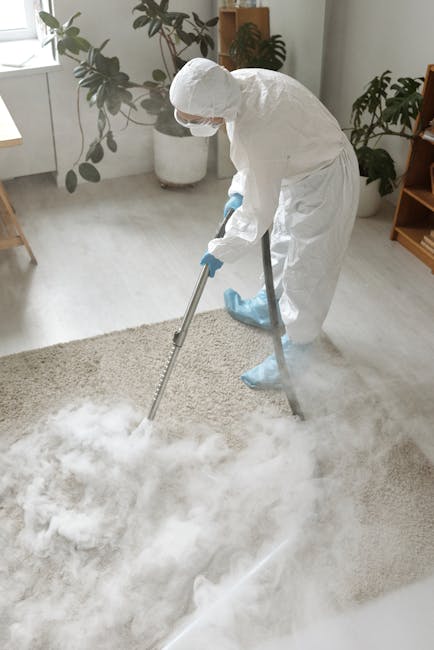
Porchester Square rug cleaning and stain removal Bayswater

If your rug has picked up a tea spill, muddy footprints, pet accident, or the odd mystery mark that appeared out of nowhere, you are not alone. Porchester Square rug cleaning and stain removal Bayswater is the kind of service people usually look for when a rug has gone from stylish centrepiece to slightly worrying. The good news? Most rugs can be brought back to a far better condition with the right treatment, careful stain assessment, and a method that suits the fibre, dye, and backing. This guide walks you through what works, what to avoid, and how to make a sensible decision before the stain settles in for good.
To be fair, rugs are one of the easiest home items to underestimate. They sit underfoot, collect dust and grit quietly, and then one day you notice the stain has spread a bit more than you expected. Let's get into the practical side of it.
Why Porchester Square rug cleaning and stain removal Bayswater matters
Rug cleaning is not just about appearances, although that is usually the first thing people notice. A rug in a busy Bayswater flat or townhouse does a lot of hard work: trapping dust, softening footsteps, catching crumbs, and absorbing whatever gets dropped during everyday life. In a place like Porchester Square, where homes often combine character, foot traffic, and limited time for upkeep, rugs can age quickly if stains are left untreated.
The real issue with stains is not only the mark you can see. It is what happens beneath it. Liquids can soak through the pile, bacteria can linger in the backing, and some residues can attract more dirt over time. A sugary drink, for example, may look harmless once dry, but it can leave a sticky patch that keeps darkening as soil clings to it. Pet stains are even trickier because odour can travel deeper than the visible spot. That is why people often need more than a surface scrub; they need a stain removal approach that considers fibre type, pile density, colourfastness, and drying time.
There is also a practical value to maintaining rugs in good shape. A clean rug helps a room feel fresher straight away. It also supports better indoor hygiene, especially where children, pets, or allergy-sensitive residents are involved. And if you are preparing for guests, a move, or a tenancy change, a visibly cleaner rug can make the whole property feel more looked after. Simple enough, but very real.
Expert summary: the best rug cleaning is usually the one that removes soil without disturbing the weave, spreading the stain, or over-wetting the backing. The method matters. The timing matters too.
How Porchester Square rug cleaning and stain removal Bayswater works
Good rug care starts with diagnosis. That may sound a little dramatic, but it is genuinely the difference between a decent result and a disappointing one. A technician or experienced cleaner will usually begin by identifying the rug material, construction, dye stability, and the stain type. Wool, synthetic fibres, viscose, silk blends, and flatweaves all behave differently when moisture, agitation, or cleaning chemistry is applied.
The next step is controlled pre-treatment. This is where the stain is broken down using a suitable solution before any deeper cleaning begins. A food stain, for example, may respond differently to a tannin-based mark such as tea or coffee. Grease, ink, and pet contamination all need separate handling. A one-size-fits-all approach is how rugs get damaged. Honestly, that is where a lot of DIY attempts go sideways.
Depending on the rug and the condition of the mark, cleaning may involve hot water extraction, low-moisture cleaning, careful agitation, or a more specialist stain-removal treatment. For some rugs, a gentler process is better because too much moisture can distort fibres or cause dye bleed. For others, a deeper wash is appropriate, particularly where soil has built up over months. The drying stage is just as important as the wash itself. Fast, even drying helps prevent odours, browning, and re-soiling.
If the issue is not just dirt but also smell, a targeted treatment may be needed. That is especially true for pet stains, which can leave an odour even after the visible mark has faded. In those cases, services such as pet stain and odour treatment can be relevant, particularly where the rug has absorbed more than the surface layer.
Key benefits and practical advantages
A properly cleaned rug does more than look nice. It can change the feel of a room in a very immediate way. You notice it when you walk in. The room smells cleaner, the colours come back a little, and the texture stops looking flattened or greasy. That is not marketing fluff; it is what happens when accumulated soil is removed rather than just masked.
- Better appearance: Colours look clearer and patterns show more definition once surface grime is lifted.
- Improved hygiene: Dust, crumbs, and organic residues are reduced, which matters in family homes and shared living spaces.
- Longer rug life: Removing abrasive grit helps fibres last longer and reduces premature wear.
- Odour control: Fresh cleaning can reduce stale, damp, or pet-related smells.
- More confident hosting: A clean rug makes a room feel ready, even if the rest of the week has been a bit hectic.
There is another benefit people do not always think about: peace of mind. If you have been staring at a stain for weeks, it quietly nags at you. Once it is handled properly, that mental clutter disappears. A small thing? Maybe. But it adds up.
If the rug forms part of a broader household reset, it can make sense to combine it with carpet cleaning or even upholstery cleaning so the whole room feels balanced rather than only one item looking fresh and the rest not quite matching.
Who this is for and when it makes sense
This service is for anyone dealing with a rug that is visibly dirty, stained, dull, or beginning to smell a bit off. That includes homeowners, tenants, landlords, property managers, and local businesses with rugs in reception areas or offices. In Bayswater, where properties can be compact and rugs often do double duty as both decor and comfort, stain issues tend to be noticed quickly. Which is useful, really, because earlier intervention almost always gives you more options.
It makes sense to book specialist rug cleaning when:
- a spill has dried and household spot cleaning has not fully worked;
- the rug is valuable, handmade, or delicate;
- there is pet contamination or lingering odour;
- the fibres look crushed, greyed, or generally tired;
- you are moving out and want the rug presentable for inspection or staging;
- the rug has not been professionally cleaned in a long time.
It is also worth considering if the rug is in a high-use area such as a hallway, living room, or under a dining table. Those are the places where crumbs, moisture, and repeated foot traffic build up fastest. I once saw a rug in a busy dining space that looked like it only had one stain. Once cleaned, you could see three older marks hidden in plain sight. Happens all the time.
For people arranging broader home care, it may sit naturally alongside domestic cleaning, one-off cleaning, or even end of tenancy cleaning if the rug is part of a larger property handover.
Step-by-step guidance
If you are deciding how to handle a rug stain, a clear process helps. No need to panic-clean at 11 p.m. with a sponge and a lot of hope.
- Identify the stain quickly. Is it food, drink, ink, oil, mud, or pet-related? Different marks need different treatment.
- Check the rug type. Wool, synthetic, cotton, silk, and blended rugs react differently to water and cleaning agents.
- Blot, do not rub. Blotting lifts liquid out. Rubbing pushes it deeper and can distort the pile.
- Test a small hidden area. This is especially important with natural dyes or older rugs.
- Use the right pre-treatment. A suitable solution should target the stain without flooding the fibres.
- Clean in controlled stages. It is safer to work gradually than to attack the rug aggressively.
- Extract excess moisture. Too much water can lead to browning, backing damage, or slow drying.
- Dry evenly. Good airflow matters. A rug that stays damp too long can develop odours.
- Reassess after drying. Some stains lighten as the rug dries; others need a second pass.
For larger or more delicate items, it can be worth choosing a specialist rather than improvising. If the rug is especially fragile, the process may need to be gentler than standard steam carpet cleaning, because rugs and fitted carpets are not always treated in the same way.
Expert tips for better results
Here is the short version: act early, use less liquid than you think, and respect the fibre. That really covers a lot of ground.
Some practical tips that make a big difference:
- Deal with spills while they are fresh. Fresh stains are usually easier to remove than dried ones.
- Keep a clean white cloth to hand. Coloured towels can transfer dye. Annoying, but true.
- Avoid aggressive scrubbing. It may make the stain look smaller for a moment, then spread the mark into the pile.
- Lift solids first. Mud, food, or crumbs should be removed carefully before any wet treatment.
- Mind the backing. If moisture reaches the underside repeatedly, the rug can warp or smell musty.
- Watch for colour transfer. If the cloth picks up dye, stop and get advice before continuing.
- Use vacuuming as maintenance, not as stain treatment. It helps with grit, but it will not solve a spill.
A small but useful habit: rotate the rug now and then. Sunlight, traffic paths, and furniture placement all affect wear. Rotating the rug can keep one side from taking all the punishment. A simple trick, yet people rarely do it. Same with moving the coffee table six inches, if we are being honest.
If you are comparing broader care options for the home, regular cleaning is a sensible way to keep the rest of the property under control while you focus on one problem item like the rug.
Common mistakes to avoid
Most rug damage does not come from a single dramatic disaster. It comes from a series of small mistakes. A bit too much water. A strong cleaner used without testing. Leaving the stain because "it will probably dry out." That kind of thing.
- Rubbing a stain hard: this drives the stain deeper and can rough up the fibres.
- Using bleach or harsh chemicals: these can strip dye and leave permanent light patches.
- Over-wetting the rug: excess moisture can damage the backing and extend drying time.
- Ignoring the dye stability: some rugs bleed when exposed to water or cleaning products.
- Using too much detergent: residue attracts dirt and leaves a sticky feel.
- Waiting too long: old stains are more likely to set and become harder to remove cleanly.
One more thing: if the rug is expensive, handmade, antique, or sentimental, do not gamble on a random DIY method from memory or from something half-remembered in the cupboard. That is a bad afternoon waiting to happen. Better to pause and get the right approach.
Tools, resources and recommendations
You do not need a warehouse of kit to maintain a rug, but a few sensible tools make life easier. For everyday care, a vacuum with adjustable suction, a clean absorbent cloth, and a mild, suitable spot-treatment method are usually the basics. For deeper work, controlled extraction equipment and professional-grade cleaning products may be used depending on the rug type.
Recommended practical approach:
- Vacuum regularly: this removes grit before it wears the pile down.
- Keep a blotting cloth ready: speed matters with spills.
- Use a soft brush only if appropriate: some fibres prefer minimal agitation.
- Test products in a hidden area: always a wise move, especially with natural fibres.
- Dry the rug flat where possible: this helps avoid distortion.
If the rug is part of a larger property refresh, you might also look at services such as sofa cleaning, curtain cleaning, or mattress cleaning. That keeps soft furnishings on a similar care cycle, which tends to make the home feel fresher overall. Not glamorous, but effective.
For people wanting clarity on service scope, pricing and quotes is a useful place to understand how estimates are usually handled, and about us can help you judge whether a provider presents itself in a transparent, professional way.
Law, compliance, standards, or best practice
Rug cleaning is not heavily regulated in the same way as some specialist trades, but good providers should still follow sensible UK best practice around safety, product handling, insurance, and customer care. In practical terms, that means risk-aware working, clear communication, and appropriate care when dealing with delicate fibres or contaminated items.
If a rug is heavily soiled by biological material, mould, or pet contamination, caution is especially important. A responsible cleaner will treat the item carefully, avoid spreading contamination, and choose a process that suits the material and risk level. They should also be careful with ventilation and drying, because damp textiles can create their own problems if rushed.
For customers, a few trust signals are worth checking. You want clarity on what is included, how delicate materials are handled, and what happens if the stain is not fully removable. That last point matters. Not every stain can be completely eliminated, and a trustworthy provider will say so plainly rather than promising miracles. That honesty is a good sign, actually.
It is also sensible to review insurance and safety and health and safety policy information where available, particularly if you are letting someone work in a home with valuable furnishings. If sustainability matters to you, recycling and sustainability may also be relevant when choosing a provider whose working practices align with your preferences.
Options, methods, or comparison table
Different rug problems call for different methods. Here is a practical comparison to help you think it through.
| Method | Best for | Strengths | Watch-outs |
|---|---|---|---|
| Basic spot cleaning | Fresh spills and light marks | Quick, cheap, immediate | Can spread stains or leave residue if overdone |
| Low-moisture rug cleaning | Delicate rugs, light soil | Gentler drying, lower risk of over-wetting | May not remove deep-set contamination |
| Deep cleaning / controlled wash | Heavier soiling, older rugs | Better soil removal, stronger refresh | Needs careful drying and material awareness |
| Targeted stain removal | Tea, coffee, food, pet marks, ink | Focused treatment for specific stains | Not every stain responds fully |
| Professional fibre-specific care | Wool, silk, antique, valuable rugs | Most cautious and tailored | Usually takes more time and assessment |
If you are unsure which route is right, the safest choice is often the one that protects the rug first and the stain second. Slightly less dramatic, yes. Usually better, though.
Case study or real-world example
Picture a Bayswater living room on a wet Tuesday evening. Someone comes in with damp shoes, a coffee is set down too close to the edge of a side table, and the rug gets a splash. Nothing catastrophic. Just one of those ordinary moments that becomes annoying later. By the next morning, the mark has darkened and the fibres around it are stiff.
In a case like that, the first step is to identify whether the rug is synthetic or natural fibre. If it is synthetic, there is usually more room for targeted treatment. If it is wool or a blend, the cleaner has to be more cautious with moisture and temperature. The stain is pre-treated, then lifted gradually. The key is restraint. Not too much product. Not too much water. Not too much enthusiasm, frankly.
What tends to surprise people is that the visible stain may not be the full story. Once cleaned, older traffic marks around the centre of the rug often become visible too, because the main stain has been removed and the contrast changes. That can be a nice surprise, or a slightly irritating one, depending on how optimistic you were. Still, the end result is usually far better than the original state of the rug.
In a larger property refresh, the same appointment might sit beside move in cleaning or move out cleaning, especially when a flat needs to feel presentable quickly and the soft furnishings are part of the overall impression.
Practical checklist
Use this simple checklist before you attempt any stain treatment or book professional help:
- Identify the stain as best you can.
- Check the rug label, fibre type, or any care information.
- Test cleaning products in a hidden area.
- Blot liquid spills instead of rubbing them.
- Stop if colour transfers onto your cloth.
- Keep the rug as dry as possible while still treating the stain properly.
- Make sure the room has good airflow for drying.
- Consider professional help for antique, valuable, or delicate rugs.
- Ask about stain-specific treatment if the mark is old or unusual.
- Confirm what aftercare is needed once the rug is cleaned.
That list looks basic, but the basics are usually what save you from the expensive mistake. Simple. Effective.
Conclusion
Porchester Square rug cleaning and stain removal Bayswater is ultimately about restoring a rug without compromising its structure, colour, or comfort. The right process depends on what the rug is made of, what the stain is, and how long it has been there. If you act early, avoid harsh DIY shortcuts, and choose a method suited to the fibre, you give the rug its best chance of coming back clean and looking like it belongs in the room again.
For many households, the real benefit is not only visual. It is the relief of dealing with something that has been bothering you every time you walk past it. That little sigh of, "ah, that's better," is a nice moment. Honestly, we all need a few more of those.
If you are ready to restore a rug, compare options carefully, ask clear questions, and choose a service that treats the item with care rather than speed alone.
Get a free quote today and see how much you can save.
Frequently Asked Questions
Can all rug stains be removed completely?
Not always. Fresh stains have the best chance of full removal, but older stains, dye transfer, and some pet or ink marks may leave a faint trace. A careful cleaner should explain the likely outcome before starting.
Is steam cleaning safe for rugs?
Sometimes, yes, but not for every rug. Some rugs tolerate moisture well, while delicate or natural-fibre pieces need a gentler approach. The safe choice depends on the material and backing, not just the stain.
What should I do immediately after a spill?
Blot the spill with a clean cloth, work from the outside of the stain inward, and avoid rubbing. If possible, lift any solids first. Do not soak the area with water unless you know the rug can handle it.
How do I know if my rug is wool, synthetic, or silk?
Check the label if you have one, or look for clues in the texture, weight, and sheen. If you are unsure, treat it as delicate until proven otherwise. That is the safer route.
Why does a stain sometimes come back after cleaning?
This can happen when residue remains in the backing or when moisture wicks upward during drying. It is one reason controlled drying and proper extraction matter so much.
Can pet urine smells be removed from rugs?
Often they can be reduced significantly, especially if treated quickly. Deep contamination is harder because odour can reach into the backing and underlay. A dedicated pet treatment is usually more effective than a general clean.
How often should rugs be professionally cleaned?
It depends on traffic and use. Busy family homes, pet households, and high-traffic rooms usually need attention more often than low-use spaces. A lot of people wait too long, then wonder why the rug looks tired.
Will rug cleaning damage the colours?
It should not if the rug is tested and treated correctly, but colourfastness always needs checking. Some dyes are more fragile than others, especially in older or handmade rugs.
Is rug cleaning worth it for a small stain?
Yes, if the rug is valuable, the stain is spreading, or you want to prevent long-term marking. Even a small stain can become a permanent issue if it is ignored or scrubbed badly.
Should I clean the whole rug or just the stained area?
That depends on the condition of the rug. Spot treatment can work for a localised spill, but a broader clean may be better if the rug has overall dullness, traffic wear, or multiple marks.
Can rug cleaning be combined with other household cleaning?
Absolutely. Many people pair it with related services such as house cleaning, office cleaning, or communal area cleaning depending on the space. It is often more efficient to tackle the whole environment at once.
What makes a rug cleaner trustworthy?
Clear explanations, sensible care advice, realistic stain expectations, and transparent service information all help. If a provider promises every stain will vanish, that is a bit of a red flag, to be fair.