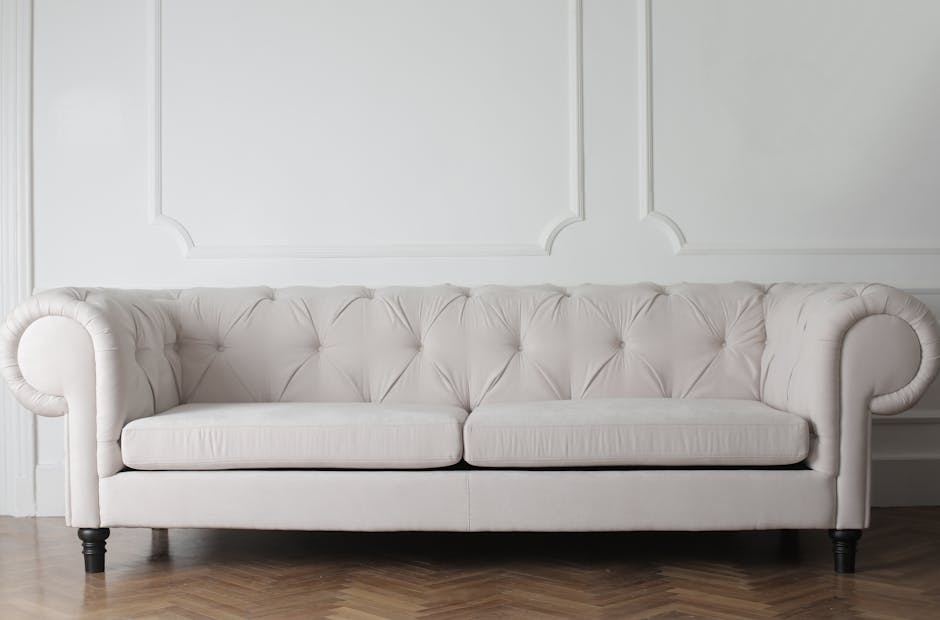
Queensway Upholstery Cleaning Options for Bayswater Flats: A Practical Local Guide
If you live in a Bayswater flat and your sofa, dining chairs, or armchair has started to look a bit tired, you are not alone. Queensway upholstery cleaning options for Bayswater flats matter more than most people think, because apartment living brings its own mix of traffic, dust, food spills, pet odours, and limited drying space. The right cleaning approach can refresh a room quickly, protect delicate fabrics, and help you avoid the sort of "we'll sort it later" build-up that somehow becomes a very visible problem. This guide walks through the main options, what works best in real flats, and how to choose a sensible service without overcomplicating it.
Why Queensway Upholstery Cleaning Options for Bayswater Flats Matters
Bayswater flats are often compact, busy, and full of multi-use furniture. A sofa in the living room may also be your reading spot, work-from-home chair, guest bed edge, and takeaway perch all in one. That means fabric wears faster than people expect. Add in street dust, condensation from closed windows, or the occasional coffee spill, and upholstery starts to hold onto smells and marks in a way that vacuuming alone will not fix.
Queensway upholstery cleaning options for Bayswater flats are especially useful because many homes here have fitted layouts, tighter stairwells, and shared access. You need a method that fits the space, dries sensibly, and does not make life harder than it needs to be. In practice, that means knowing when a light fabric refresh is enough, when a deeper clean is worth it, and when specialist stain or odour treatment is the smarter choice.
It is also about value. Well-maintained upholstery tends to last longer, look better in natural daylight, and make a room feel cleaner overall. Truth be told, a fresh sofa can change the feel of a flat more than a new lamp ever will.
Expert summary: In small London flats, the best upholstery cleaning is rarely the most aggressive cleaning. It is the safest method that removes soil, controls drying time, and suits the fabric type.
How Queensway Upholstery Cleaning Options for Bayswater Flats Works
Professional upholstery cleaning usually starts with an inspection. The cleaner identifies the fabric type, the level of soiling, any visible stains, and the likely risk areas such as armrests, seat fronts, and head rests. That inspection matters. Different fabrics behave differently, and what works on a synthetic sofa may be a bad idea on wool blends or delicate fibres. A knowledgeable technician should be able to explain the method in plain English, not waffle on with jargon.
The main approaches used in flats tend to include hot water extraction, low-moisture cleaning, dry compound or encapsulation-style cleaning, and targeted stain treatment. Some jobs are simple: a standard family sofa with surface dirt might only need a thorough pre-treatment and a controlled deep clean. Others need more care, especially if there are pet smells, old drink stains, or colour-sensitive fabrics.
Before the work begins, furniture is usually vacuumed, pre-treated, and tested in a discreet area. After that, the chosen method is applied with enough care to lift dirt without soaking the upholstery. In a flat, drying time matters a lot. Nobody wants damp cushions lingering by the window for two days. A good cleaner will manage moisture carefully, use airflow where possible, and give realistic aftercare advice.
If you want a broader look at related services, it can help to compare upholstery work with the company's dedicated upholstery cleaning service and its sofa cleaning option, especially when the item is a large sectional or a fabric corner sofa with heavy use.
Key Benefits and Practical Advantages
There are a few benefits people expect from upholstery cleaning, and then there are the practical ones that make daily living easier. The obvious benefit is appearance. Marks fade, colours look brighter, and the fabric stops looking flat and dull. But the less obvious advantage is how much cleaner a flat feels once the soft furnishings have been properly treated.
- Improved appearance: seats look fresher and less worn.
- Better hygiene: routine soiling, crumbs, and airborne dust are reduced.
- Odour control: lingering food, pet, and general household smells are tackled more effectively.
- Fabric protection: regular care can help prevent grime from settling deep into fibres.
- Longer furniture life: less embedded dirt usually means less abrasive wear over time.
- Better moving-day presentation: especially useful for landlords, tenants, and hosts.
In Bayswater flats, another advantage is simplicity. A professional visit can deal with the sofa, dining chairs, and a rug in one go, which is much easier than trying to spot-clean everything in stages and hoping for the best. We have all seen that approach. It tends to end with a half-clean cushion and a lot of frustration.
If your flat also needs other soft-furnishing care, the related rug cleaning service and curtain cleaning can be useful to consider alongside upholstery work so the whole room feels consistent rather than oddly mismatched.
Who This Is For and When It Makes Sense
Queensway upholstery cleaning options for Bayswater flats are useful for a lot of different people, not just one type of household. A student with a second-hand armchair, a family with small children, a flatshare with a well-used sofa, or a landlord preparing for new tenants may all need different levels of cleaning, but the underlying aim is the same: restore the furniture without damaging it.
It makes sense to book upholstery cleaning when you notice one or more of these signs:
- faded or patchy seat areas that no longer look even
- drink marks, grease spots, or food stains
- pet hair and pet odours that keep returning
- general dullness despite regular vacuuming
- musty smells from closed windows or poor airflow
- you are moving out and want the flat to present well
There is also a timing question. If you are planning a tenancy handover or hosting guests, you probably want the clean completed with enough time for drying. If you are simply trying to restore your weekend sofa after a long winter indoors, then a flexible appointment is often fine. A small thing, but it saves stress.
For homes that are getting a broader reset, upholstery work often sits neatly beside deep cleaning, domestic cleaning, or even end-of-tenancy cleaning when the whole flat needs attention rather than just the soft furnishings.
Step-by-Step Guidance
If you are deciding how to approach upholstery cleaning in a Bayswater flat, a clear process helps. There is no need to guess your way through it.
- Identify the fabric. Check labels if they are available. If not, look at texture, weave, and any manufacturer notes you may still have tucked away in a drawer.
- Work out the issue. Is it surface dust, a specific stain, a smell, or a general tired look? The answer usually points to the right method.
- Choose the cleaning style. Light refresh, low-moisture treatment, steam-based method, or stain-focused cleaning. The fabric decides more than the marketing does.
- Ask about drying time. In a flat, especially one with limited ventilation, this matters a lot.
- Clear the area. Move small items, cushions, throws, and breakables before the cleaner arrives. It speeds things up and reduces clutter.
- Protect surrounding surfaces. Hardwood floors, skirting boards, and walls near the furniture should be respected during the process.
- Review the result. Check stains, seams, and any areas where grime tends to linger, such as armrests and headrests.
- Follow aftercare advice. Avoid using the furniture too soon. A little patience now saves a lot of annoyance later.
In a compact Bayswater living room, it is also wise to plan access. Where will the equipment go? Is the lift available? Are there narrow stairs? Small practical questions, yes, but they make the appointment run smoothly. That's the sort of detail that separates a calm clean from a mildly chaotic one.
Expert Tips for Better Results
To get the best result from Queensway upholstery cleaning options for Bayswater flats, start with the furniture itself. Fabrics age differently depending on light, use, and airflow. The corner nearest a window may fade slightly faster. The seat used for evening TV will usually be dirtier than the rest. That means cleaning should be focused, not just blanket-treated.
Here are a few tips that genuinely help:
- Vacuum first. Loose grit makes stain treatment less effective and can grind into the fabric.
- Blot, do not rub. Rubbing can push stains deeper and rough up the pile.
- Test sensitive fabrics. Always check a hidden area before any liquid treatment is used.
- Keep windows slightly open where possible. Better airflow usually means faster drying.
- Use cushions and throws wisely. They help reduce wear on high-contact zones, which is boring advice, but useful.
- Book before the fabric looks badly marked. Regular maintenance is easier and usually less disruptive.
One extra tip: if you have both fabric and hard flooring in the same room, it often makes sense to combine upholstery care with hard floor cleaning so the room feels finished properly, not half-done. Small detail, big difference.
Common Mistakes to Avoid
People often think upholstery cleaning is straightforward. Sometimes it is. But small mistakes can leave you with water marks, damaged fibres, or stains that set rather than lift. Not ideal.
- Using the wrong method for the fabric. A heavy wet clean on a delicate item can do more harm than good.
- Over-wetting cushions. Deep moisture in a flat dries slowly and may leave musty smells.
- Ignoring stain age. Older stains need a different approach from fresh spills.
- Skipping odour treatment. A sofa can look clean and still smell off.
- Cleaning only the visible patch. That can create a halo or a mismatch between cleaned and uncleaned areas.
- Rushing the drying stage. Using the furniture too soon can flatten fibres and trap dampness.
There is also the "spray and hope" method, which, let's be honest, has caused more problems than it has solved. If you are unsure, ask for a fabric-safe recommendation rather than trying a strong product because it looked impressive on the bottle.
Tools, Resources and Recommendations
You do not need a van full of equipment to make a sensible upholstery plan, but you do need the right kind of cleaning approach. Professional cleaners usually rely on inspection tools, specialist extraction equipment, targeted stain treatments, and controlled drying methods. For a flat, that balance matters more than brute force.
If you are comparing services, these pages can help you think through the wider picture:
- carpet cleaning for rooms where soft furnishings and flooring need coordinated care
- steam carpet cleaning when floors need a deeper refresh at the same time
- stain removal for targeted problem spots that need a more careful treatment
- pet stain odour removal if animals are part of the story, as they often are
- pricing and quotes if you want to understand how costs are usually handled
On the service side, it is reassuring to look for practical signs of professionalism: clear explanations, fabric testing, sensible drying guidance, and transparent answers about what can and cannot be improved. If a provider is vague about those basics, that is not a great sign.
You can also read more about the business background on the about us page, or check the company's approach to insurance and safety and its health and safety policy if you want extra peace of mind before booking.
Law, Compliance, Standards, or Best Practice
Upholstery cleaning in a residential flat is not usually a heavily regulated activity in the way some trades are, but good practice still matters. In London flats especially, cleaners should work carefully around access routes, shared corridors, lifts, and neighbouring homes. Quiet, tidy, and respectful work is part of the job. So is leaving the space safe and reasonably dry afterwards.
From a best-practice perspective, the main expectations are straightforward:
- use fabric-appropriate methods
- carry out a visible or discreet test where needed
- avoid unnecessary moisture
- protect nearby surfaces and flooring
- communicate any risks or limitations before work begins
- offer realistic advice rather than overpromising results
If you live in a managed building, there may also be practical rules around access, parking, or quiet hours. These are usually building-specific rather than universal, so it is worth checking in advance. Nothing dramatic, just sensible planning. And if you need to review the company's general policies, the terms and conditions and privacy policy are useful places to start.
Options, Methods, or Comparison Table
Different upholstery cleaning methods suit different flats. The best one depends on the fabric, the level of soiling, and how quickly you need the item back in use.
| Method | Best for | Pros | Watch-outs |
|---|---|---|---|
| Hot water extraction | General deep cleaning on suitable fabrics | Strong soil removal, good for visibly tired items | Needs careful moisture control and drying time |
| Low-moisture cleaning | Flats with limited airflow or quicker turnaround needs | Faster drying, less disruption | May be less aggressive on deep-set contamination |
| Targeted stain treatment | Specific marks, spots, and problem areas | Focused, efficient, often useful as part of a larger clean | Old stains may not fully disappear |
| Odour-focused treatment | Pet smells, stale food odours, general lingering scents | Improves freshness without relying only on fragrance | Needs honest diagnosis of the source of the smell |
If you are unsure which route to take, the safe answer is usually a fabric test plus a discussion of drying time. That conversation tells you more than a glossy service description ever will.
Case Study or Real-World Example
A typical Bayswater flat scenario looks something like this: a two-seat sofa in the living room, a fabric dining bench, and one armchair that has become the unofficial laptop spot. The sofa has coffee rings, the bench has light food staining, and the armchair smells a bit stale after a long winter with the windows mostly shut. Nothing terrible. Just lived-in.
In that situation, the cleaner would normally inspect the fabrics, vacuum the upholstery, treat the visible marks, and use a method that balances cleaning power with drying time. If the sofa is synthetic, a controlled extraction-style clean might be the right fit. If the armchair is more delicate, a lower-moisture process may be safer. The dining bench could need a separate stain treatment before the main clean.
What usually surprises people is how much the room changes after the work is done. The flat smells lighter. The fabric looks less grey. The whole place feels better, even if no one has moved a wall or bought new furniture. Small win, but a real one.
For households that want to combine items, the cleaner may also suggest coordinating with one-off cleaning or regular cleaning if the aim is not just a refresh, but a more sustainable upkeep plan.
Practical Checklist
Use this quick checklist before booking upholstery cleaning in a Bayswater flat:
- confirm the item type and fabric where possible
- note any stains, odours, or wear patterns
- check access, parking, and lift availability if relevant
- ask about the cleaning method and drying time
- find out whether any items need testing before cleaning
- move small objects, throws, and fragile bits out of the way
- ask how long the furniture should stay unused afterwards
- plan the visit around other home activities so the flat is not cramped
- if needed, combine the appointment with carpets or rugs for a fuller refresh
It is a small checklist, but it saves a lot of back-and-forth. And honestly, a bit of prep makes the whole process feel easier than it sounds.
Conclusion
Queensway upholstery cleaning options for Bayswater flats are all about matching the method to the space, the fabric, and the way you actually live. In a compact London flat, you do not want guesswork. You want a careful clean that lifts dirt, respects delicate materials, dries properly, and leaves the room feeling genuinely refreshed.
The best results usually come from a simple approach: identify the fabric, choose the right method, manage moisture, and keep expectations realistic. If the furniture is heavily stained or the odour has been hanging around for months, you may need more than a quick surface treatment. If it is just tired from everyday use, a well-chosen clean can work wonders. Little things matter here.
Get a free quote today and see how much you can save.
If you are still weighing up your options, take your time, ask sensible questions, and choose the approach that fits your flat rather than fighting it. That is usually where the calmest, cleanest outcome begins.
Frequently Asked Questions
What is the best upholstery cleaning option for a Bayswater flat?
The best option depends on the fabric and the problem. For many flats, a low-moisture or controlled extraction clean works well because it balances effective cleaning with manageable drying time.
How often should upholstery be cleaned in a flat?
That depends on use. A heavily used sofa in a family flat may need attention more often than a guest chair in a spare room. If the fabric looks dull or starts to smell stale, that is usually a good sign it needs cleaning sooner rather than later.
Can upholstery cleaning remove old stains?
Sometimes, yes, but not always completely. Older stains can bond with the fibres and may only fade rather than vanish. A careful stain assessment gives a more honest expectation than any quick promise.
Is steam cleaning safe for all upholstery?
No, not automatically. Steam-based or hot water methods are suitable for some fabrics but not others. Delicate materials, colour-sensitive fabrics, and some blended textiles need a different approach.
How long does upholstery take to dry in a flat?
Drying time varies with the fabric, method, and airflow in the property. Flats with less ventilation often take longer. Good drying advice is part of the service, and it should be realistic rather than optimistic.
What if my sofa has pet odours?
Pet odours usually need more than fragrance. They may require targeted odour treatment and careful cleaning of the source area. If you have pets, the dedicated pet odour service can be especially helpful.
Do I need to move furniture before the cleaner arrives?
Usually, only small items, cushions, and fragile objects. Larger furniture is often handled by the cleaner, but it is worth confirming in advance if access is tight or the room is heavily furnished.
Can upholstery cleaning help before moving out?
Yes, absolutely. It can improve presentation and reduce complaints at handover time. In a rental flat, clean upholstery can make the property feel better cared for, which never hurts.
Is it worth cleaning a second-hand sofa?
Often it is. A second-hand piece may only need a proper deep clean to feel much fresher. That said, if the fabric is damaged, heavily worn, or unsuitable for wet cleaning, the result may be limited.
What should I ask before booking a cleaner?
Ask about the cleaning method, fabric testing, drying time, stain limitations, and whether the service includes odour treatment. If you are comparing providers, also check safety, insurance, and how they handle pricing.
Can upholstery cleaning be combined with other services?
Yes, and in flats that often makes sense. Many people pair it with carpet care, rug cleaning, or a broader flat clean so the whole space feels consistent and the visit is more efficient.
How do I know if a fabric is too delicate to clean at home?
If there is no care label, if the weave looks fragile, or if the item has already faded unevenly, it is safer to avoid DIY experiments. A professional inspection is the wiser move. A bit boring maybe, but better than a damaged sofa.
Where can I find more information about booking and service details?
You can review the company's pricing and quotes, learn more on the contact page, or read the service details for upholstery cleaning and related cleaning options.